When it comes to Easter sweets, I’ve found some incredible treats to try! Colomba Pasquale is a must, with its dove shape symbolizing peace. I also love the sweet Fugassa Veneto and the rich Pastiera Napoletana. Don’t forget about the savory Casatiello from Campania and the sweet Cuddura from Sicily. For something a bit different, sample Eastern European delights like Kulich and Pryanik, as well as the soft Babka and nutty Makowiec. There’s so much more to explore!
1. Colomba Pasquale

Colomba Pasquale is a delightful Easter treat that captures the essence of spring. Dating back to the 1930s, its dove shape symbolizes peace and rebirth. Made from high-quality ingredients like butter and candied orange peel, it’s topped with pearl sugar and almonds. Traditional dove-shaped cake, I love how each bite is a blend of tradition and flavor, perfect for celebrating the season!
2. Fugassa Veneto
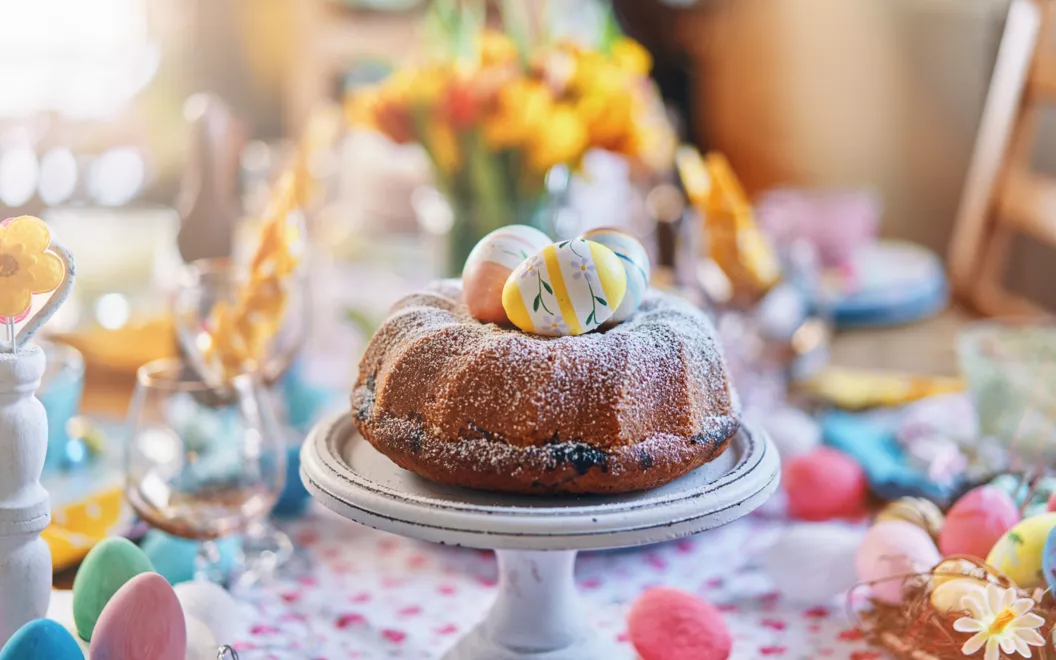
As Easter approaches, my thoughts turn to another delightful treat: Fugassa Veneto.
This sweet, festive cake hails from the Veneto region and combines butter, eggs, and a touch of marsala.
With its soft texture and rich flavors, it’s traditionally enjoyed during Easter and even at engagements.
I love savoring it with a glass of Prosecco; it truly captures the essence of celebration!
Fugassa pasquale, enriched with natural leavening, showcases the cultural significance of Easter celebrations in Veneto.
3. Pastiera Napoletana
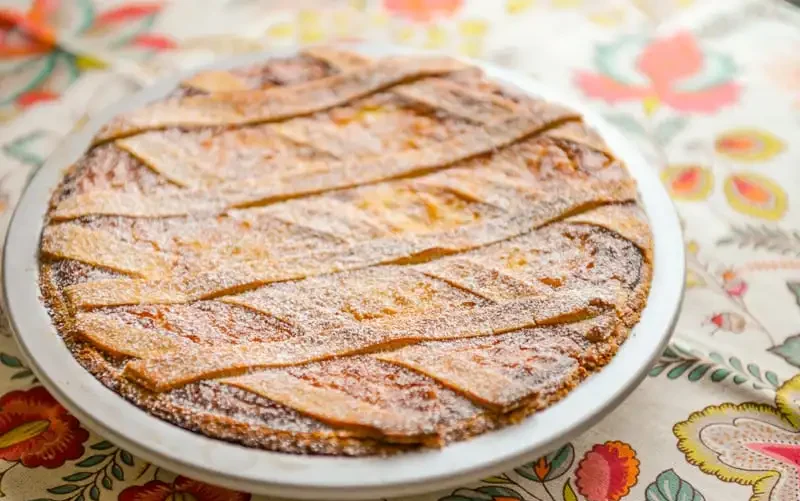
Pastiera Napoletana is a cherished Easter dessert that captures the essence of spring in every bite. It combines grano cotto, ricotta, and candied fruits, creating a harmonious blend of flavors. I love how its preparation is a family ritual, with each recipe holding unique traditions. Grano cotto is a crucial ingredient that contributes to its distinctive texture and flavor profile. Dusting it with confectioner’s sugar before serving adds a touch of sweetness to this symbolic treat.
4. Casatiello Campania
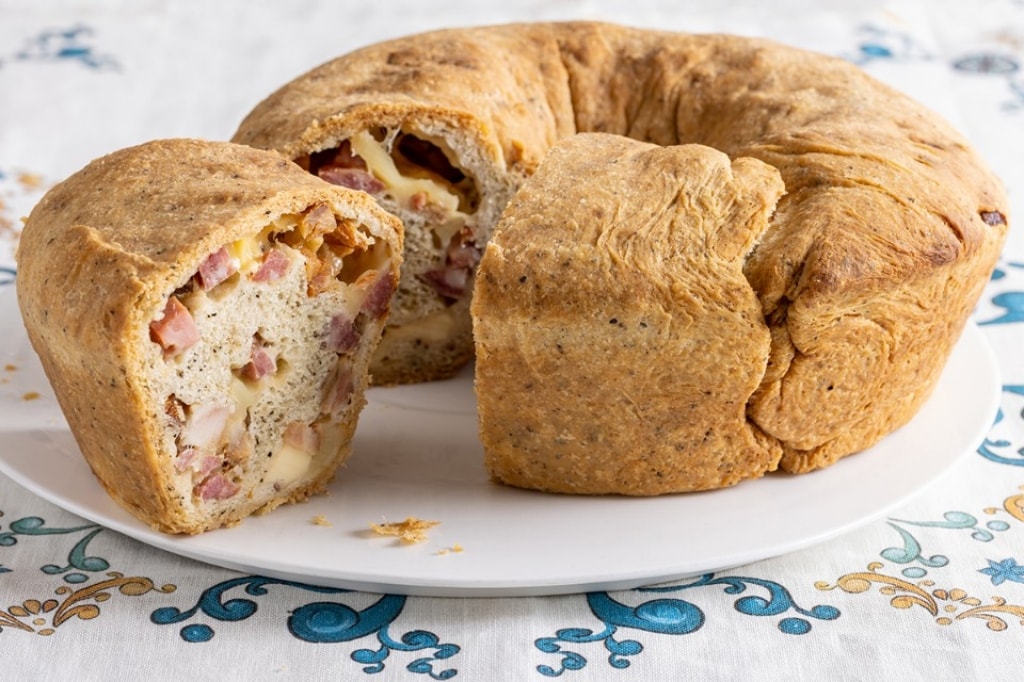
While exploring Easter traditions, I can’t help but get excited about Casatiello Campania, a savory bread that’s a staple in many Italian households during the holiday.
This delicious treat combines bread flour, cured meats, and cheeses, all encased in a beautiful ring shape. Topped with hard-boiled eggs, it symbolizes new life, and I love serving it as an antipasto during family gatherings. It showcases the creativity of using simple ingredients in Italian cooking.
5. Cuddura Sicily
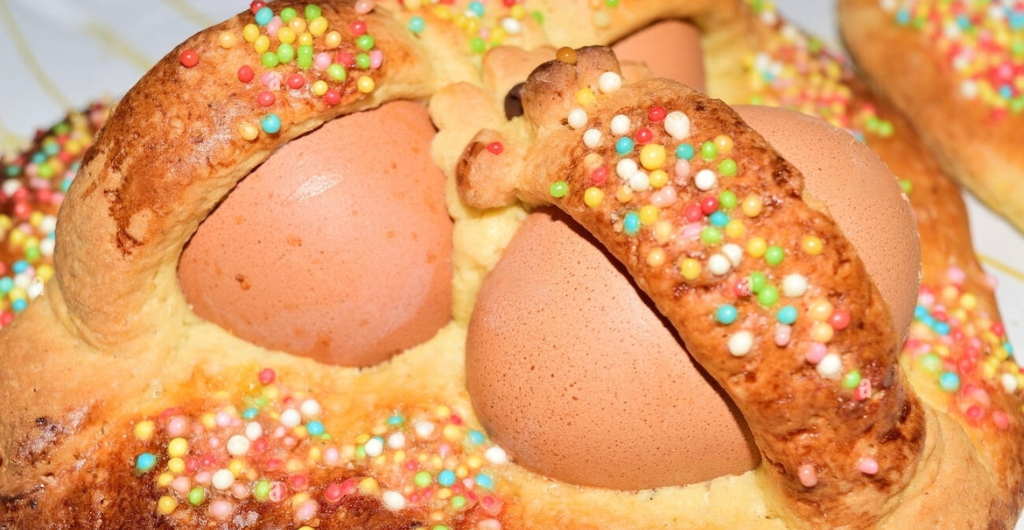
After savoring the savory delights of Casatiello Campania, I’m eager to share another Easter favorite: Cuddura from Sicily.
This sweet bread, often shaped into baskets or hearts, symbolizes love and prosperity. It’s made with a rich dough of butter, eggs, and flour, decorated with colorful sprinkles and hard-boiled eggs. Traditionally, Cuddura is made with an entire egg wrapped in dough, which adds a unique charm to this festive treat.
Cuddura beautifully represents the joy of Easter celebrations and the resurrection of Christ.
6. Tsoureki

Tsoureki is a delightful Greek Easter bread that I can’t resist sharing with you. Its chewy texture comes from hard flour, while the unique flavors of mastic and mahlepi elevate it. I love the hint of orange zest and vanilla that brightens each bite. Traditionally braided, it symbolizes the Holy Trinity, making it a cherished treat during Easter celebrations and beyond. The dough’s incredibly soft, buttery-rich texture is what truly sets Tsoureki apart from other breads.
7. Koulourakia
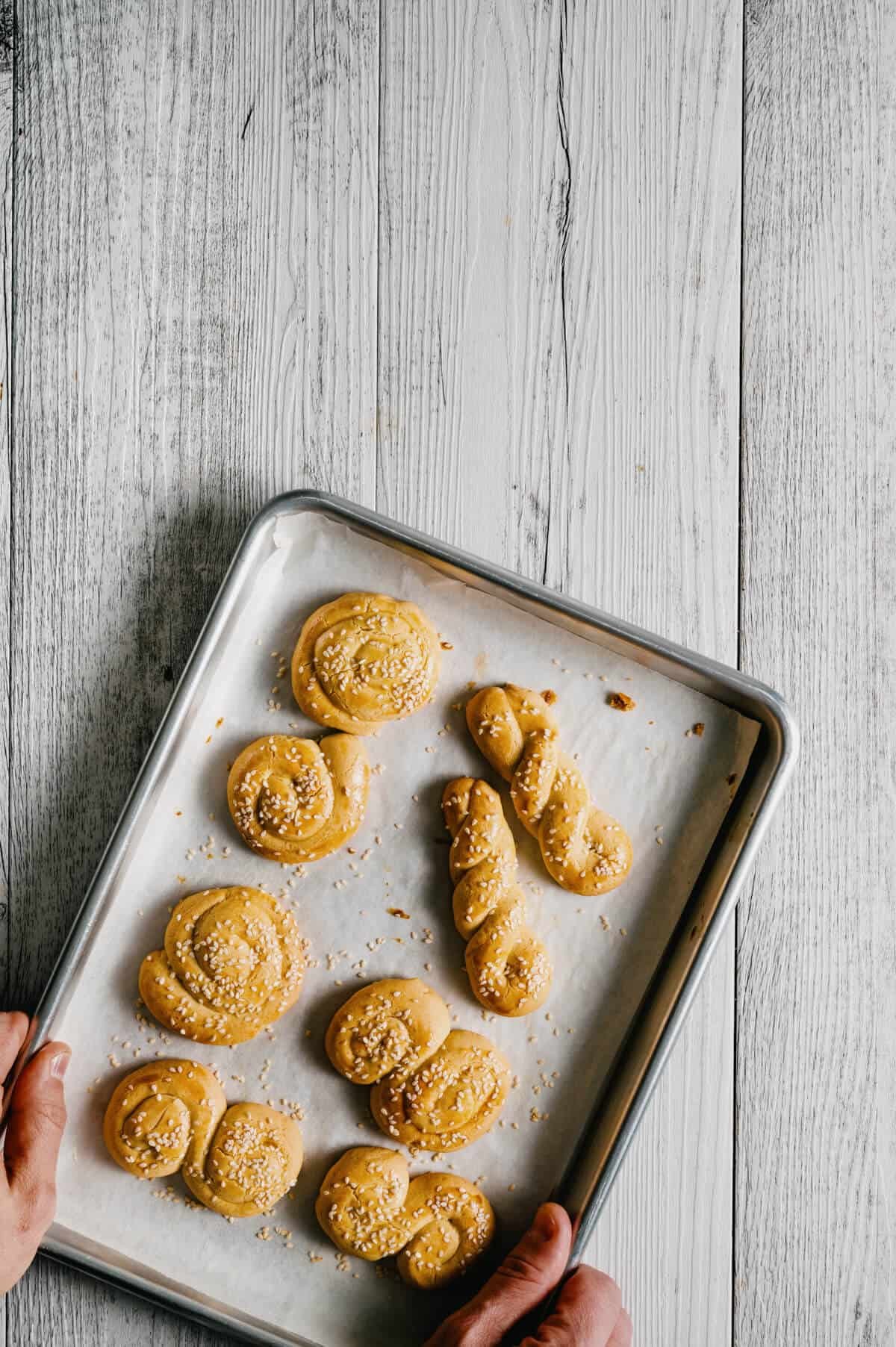
Koulourakia are another beloved treat that grace Greek Easter celebrations. These delightful cookies are made with butter, sugar, and flour, often flavored with orange zest or vanilla. I love shaping the dough into various designs, like braids or snails. These cookies are traditionally glazed with an egg wash and topped with sesame seeds, and they bake to a golden perfection, ready to be enjoyed with tea or coffee.
8. Red Eggs
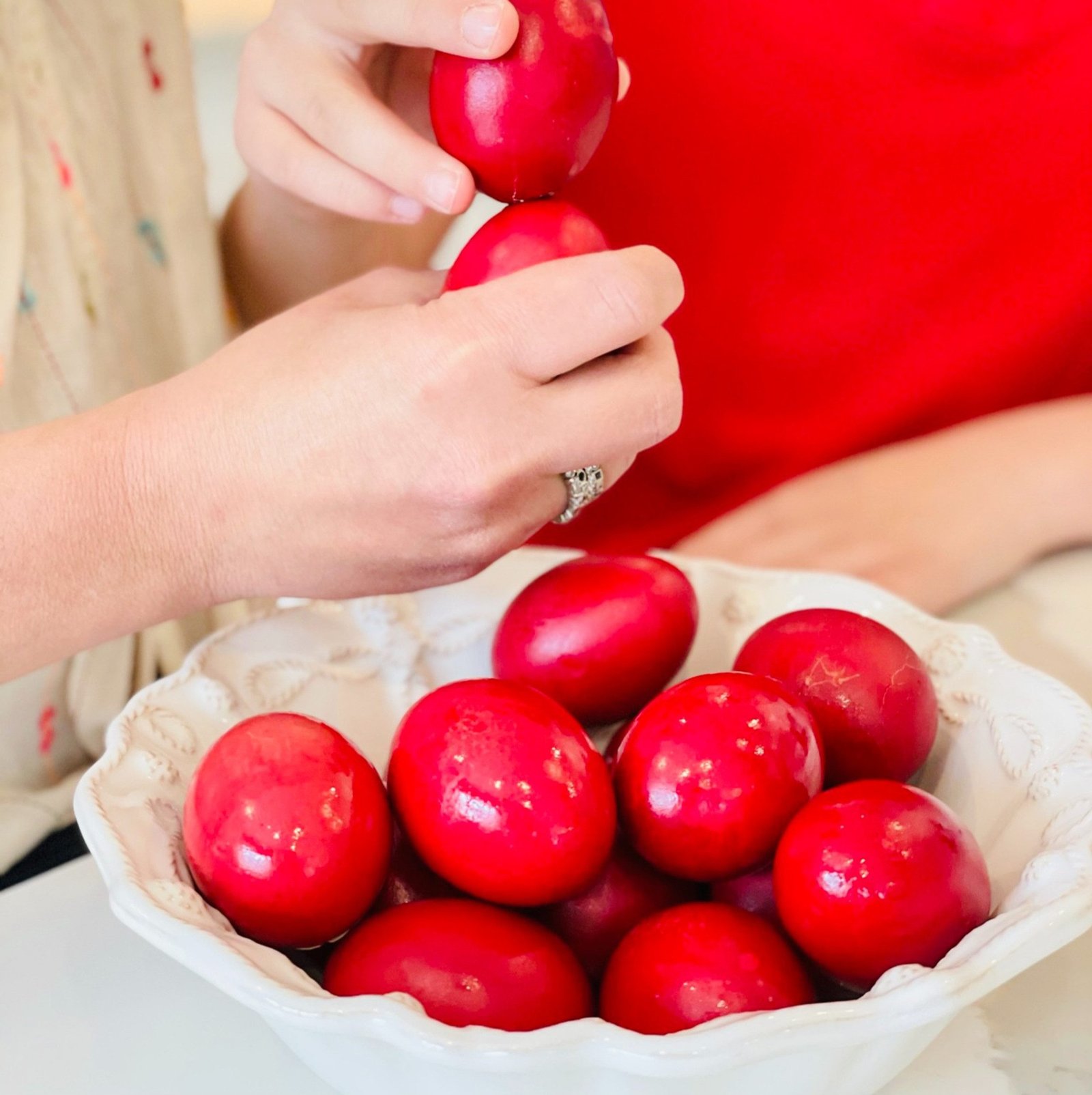
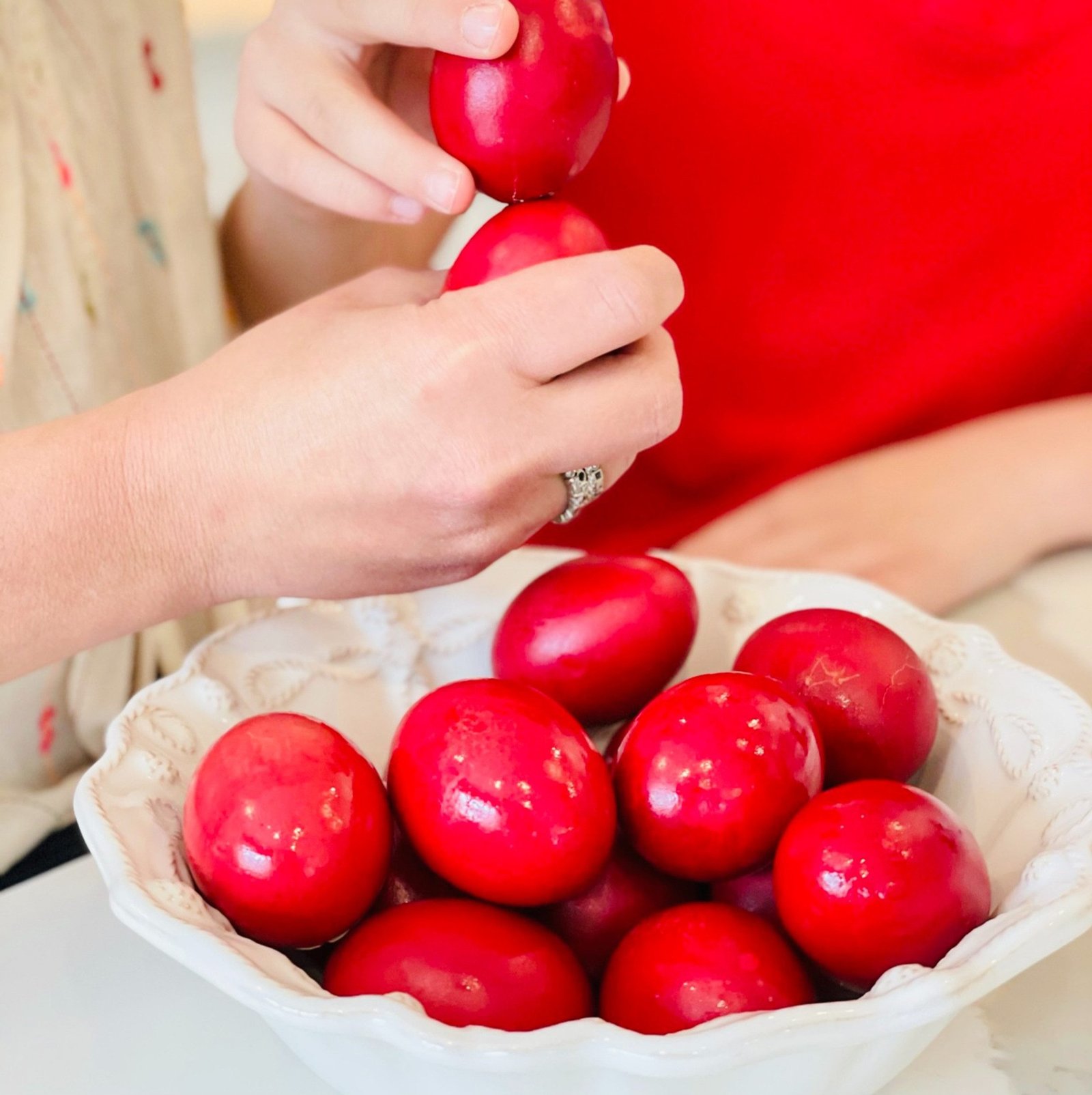
Red eggs are an iconic part of Greek Easter traditions, and I can’t help but feel excited when I see them.
They symbolize Christ’s resurrection and new life, with their vibrant red color representing His sacrifice. Dyed on Holy Thursday, these eggs are often blessed and integrated into celebrations. This custom of coloring eggs on Holy Thursday connects deeply to the historical roots of Easter traditions.
I love the stories behind them, reminding us of hope and renewal during Easter.
9. Galaktoboureko
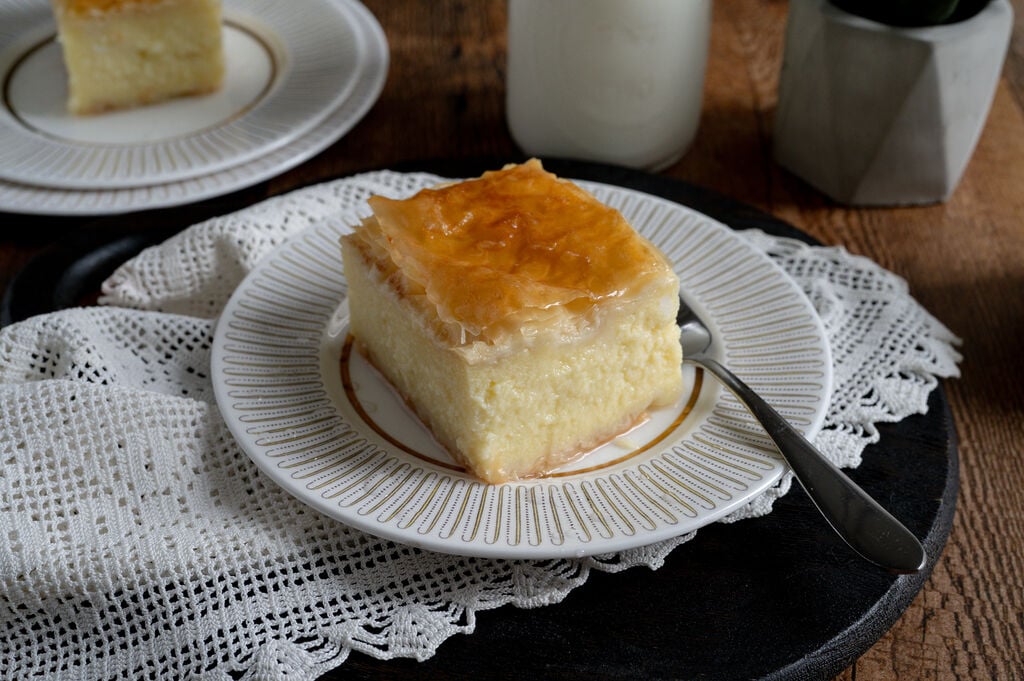
Whenever I think of Easter desserts, galaktoboureko immediately comes to mind as a must-try treat.
This luscious Greek dessert combines crispy phyllo dough with a rich semolina custard, all drenched in sweet syrup infused with lemon and cinnamon. Galaktoboureko is commonly found on Greek dessert tables at gatherings and celebrations, making it a beloved choice for festive occasions.
Making it takes practice, but the blend of textures and flavors creates unforgettable memories, especially during festive gatherings with family and friends.
10. Melomakarona
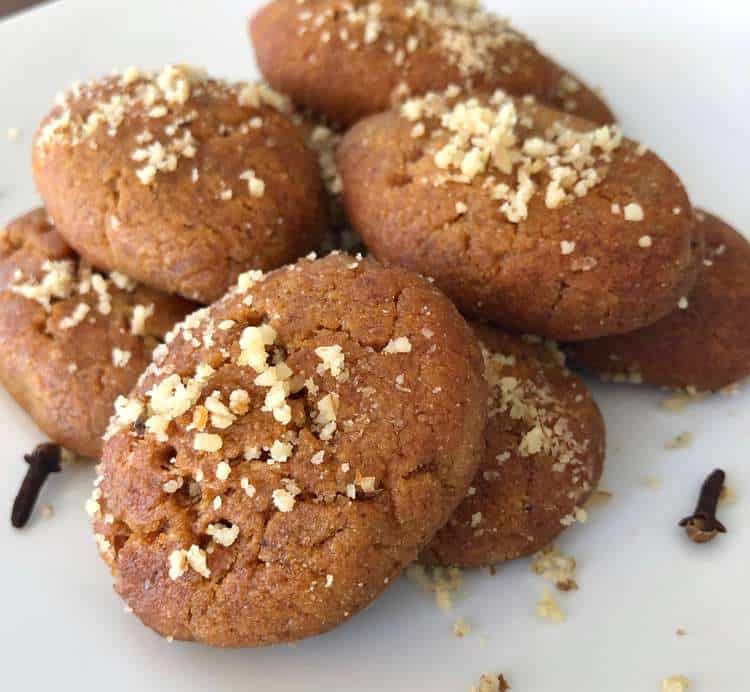
Melomakarona are a delightful Greek treat I can’t resist, especially during Easter. These honey-soaked cookies, made with soft flour, fine semolina, and orange juice, are simply irresistible. After baking, I dip them in a sweet syrup infused with cinnamon and top them with crushed walnuts. Their rich history and unique flavors always remind me of the joy of sharing traditions with loved ones, making them a popular traditional Christmas cookie in Greece.
11. Pashka
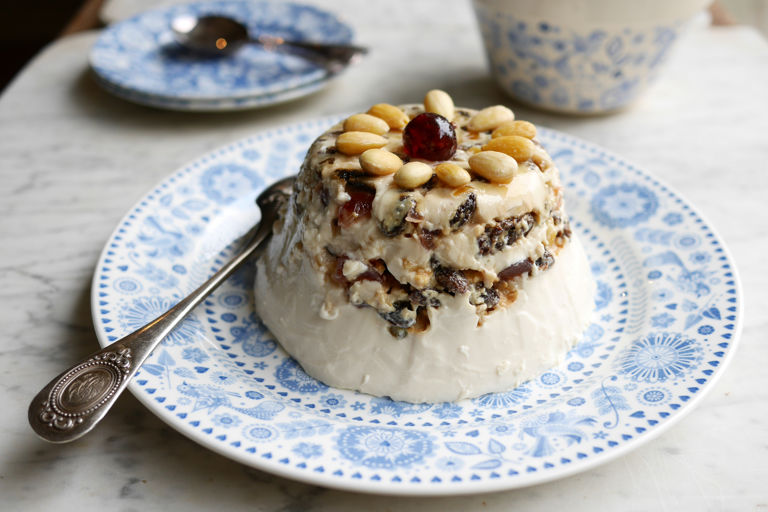
Pashka is a rich and creamy Easter dessert that holds a special place in my heart. Made from curd cheese, it’s mixed with dried fruits, nuts, honey, and sometimes even a splash of brandy. This traditional Russian Easter dessert is known for its texture similar to a custardy cheesecake. I love how it’s traditionally molded into a pyramid shape, symbolizing Christ’s tomb. Served chilled, it’s the perfect indulgence to celebrate the joy of Easter.
12. Kulich

As Easter approaches, I find myself eagerly anticipating the aroma of freshly baked kulich wafting through the house.
This traditional bread, made with flour, yeast, and warm milk, is often enriched with delightful additions like raisins and spices. Its cylindrical shape symbolizes the resurrection, and it’s a joy to slice into this sweet, fluffy loaf, especially when paired with paskha. Traditional Easter Bread is a cherished family tradition in Slavic homes during Easter celebrations.
13. Pryanik
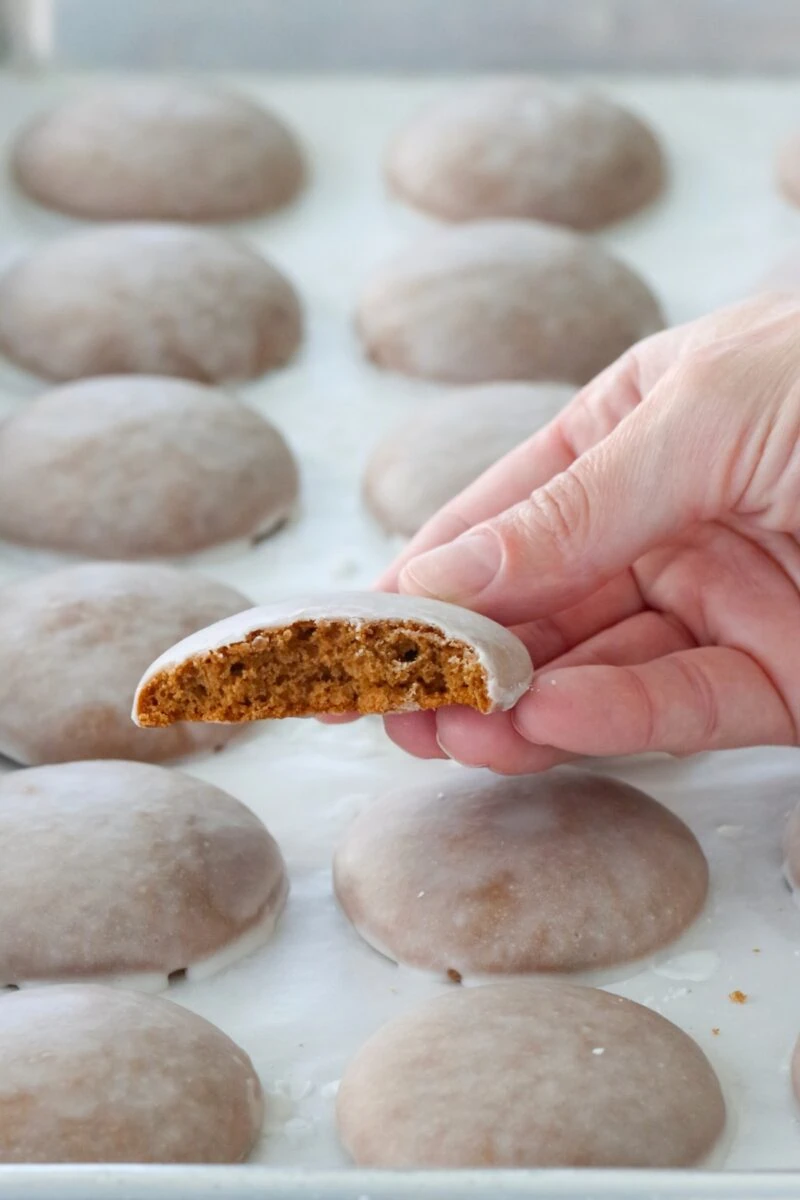
Pryanik, with its rich history and delightful flavors, is a treat I always look forward to during Easter. Originating in the 9th century, this honey-infused delicacy combines spices like cinnamon and ginger, creating a perfect balance. I love its soft interior and delightful snap, especially when paired with tea. The beautiful designs made using wooden presses add to its charm and cultural significance. These cookies freeze well for long-term storage and freshness, making them a great option for preparing ahead of time.
14. Babka

Babka is a festive delight I can’t resist during Easter celebrations.
This soft, buttery yeast dough, often filled with chocolate or raisins, fills my kitchen with warmth. Ukrainian bread culture emphasizes the importance of this traditional bread in celebrating Easter.
I love the process—mixing ingredients, letting it rise, and shaping it into a beautiful twist.
After baking, I brush it with syrup for that glossy finish.
It’s perfect served warm or toasted with butter!
15. Makowiec
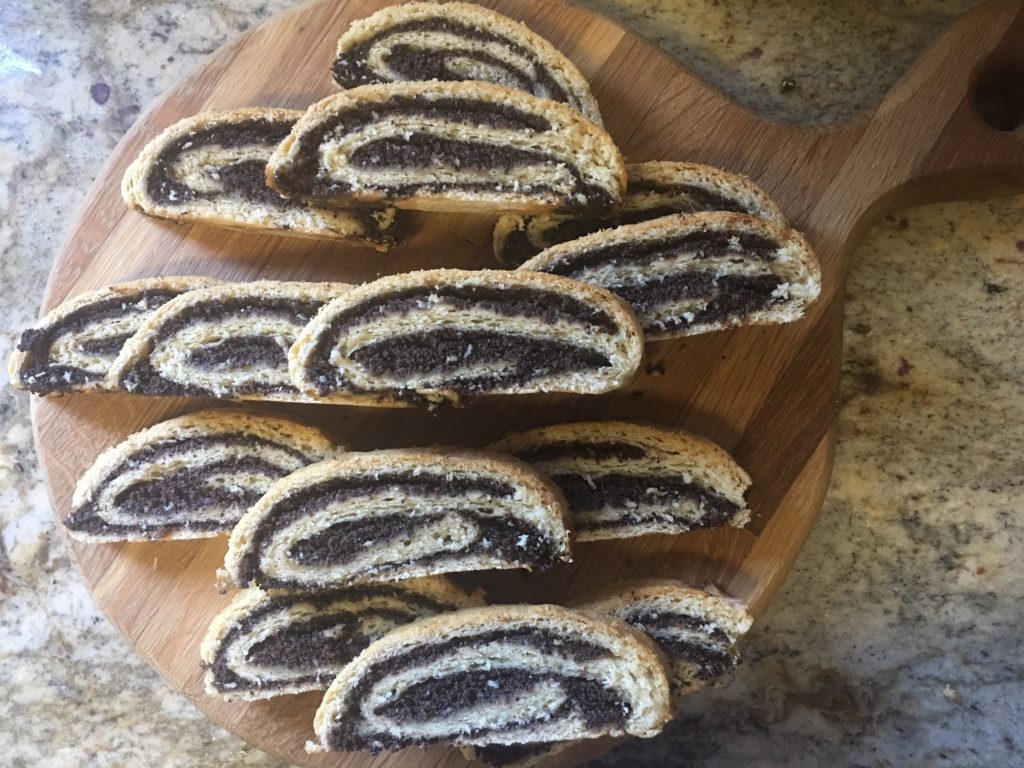
Makowiec, with its rich layers of poppy seed filling, has become a cherished part of my Easter celebrations. I love the process of soaking the poppy seeds and mixing them with honey, raisins, and almond extract. The sweet, nutty aroma fills my kitchen, bringing back memories of family gatherings. It symbolizes prosperity and warmth, truly making Easter feel special. This traditional Polish poppy seed roll is often served during drugieśniadanie alongside coffee or tea, enhancing the festive atmosphere.